
How To Swaddle A Baby
When you’re preparing for a new baby, it can feel like everyone has a different piece of advice about sleep. Swaddling is one settling technique you’ll probably hear about early on, but learning how to fold a wrap around a tiny, wriggling newborn can take a little practice.
The good news is that it doesn’t need to be complicated.
Swaddling simply means wrapping your baby securely in a lightweight wrap to help them feel calm and settled. In this guide, we’ll explain why parents swaddle babies, how to swaddle a baby using a few different methods, the important safety guidelines to follow and when it’s time to transition away from swaddling.
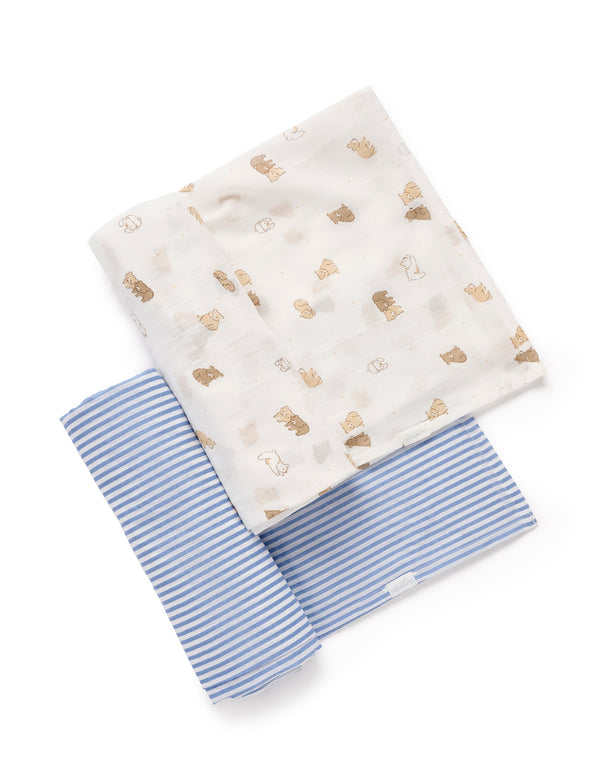
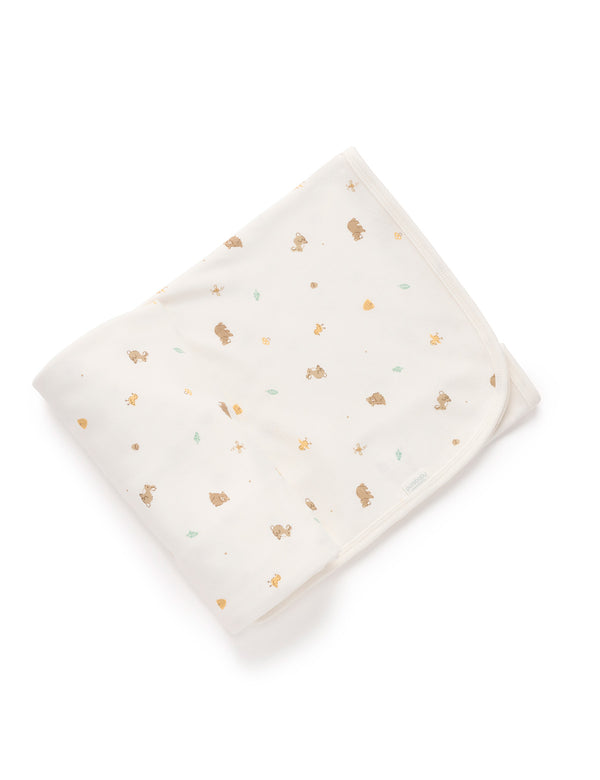
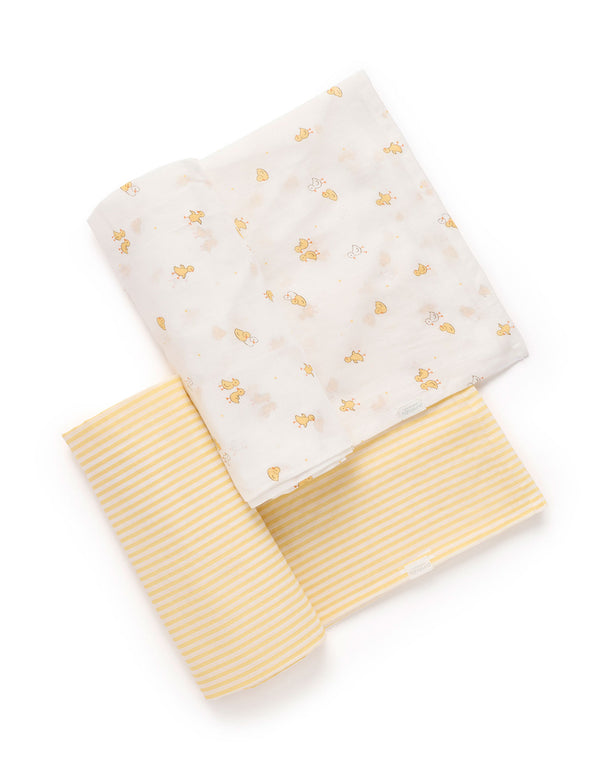
Before you begin, having a few lightweight baby swaddles and wraps ready can make those early feeds, cuddles and sleep times a little easier.
Table of Contents
- Why Should I Swaddle My Baby?
- How To Swaddle Your Baby
- Safety Tips
- When Should I Stop Swaddling My Baby?
- How To Transition Baby Out Of Swaddle
- How Long To Swaddle A Baby For
- Shop Baby Swaddles At Purebaby
- Frequently Asked Questions
Why Should I Swaddle My Baby?
For a newborn who has spent months tucked up inside the womb, the outside world can suddenly feel very open. A baby swaddle creates a snug feeling around their body that can help recreate some of that sense of security.
Swaddling can also reduce the effects of the Moro, or startle, reflex. This natural reflex can cause a young baby to suddenly throw out their arms and legs, sometimes waking themselves just as they are settling to sleep. Wrapping may have a calming effect and can help some young babies settle and experience more sustained periods of sleep.
That doesn’t mean every baby needs to be swaddled. Some little ones simply don’t enjoy being wrapped, and that’s okay. Swaddling is one settling option rather than something every family has to use.
Most importantly, swaddling needs to be done safely. Always place your baby on their back to sleep, keep their face and head uncovered and make sure their chest, hips and legs have room to move comfortably.

How To Swaddle Your Baby
There’s more than one way to swaddle, and you may need to try a couple of techniques before finding what feels comfortable for you and your baby. Whichever technique you choose, use a lightweight cotton or muslin wrap and make sure it is firm without being overly tight.
The Burrito Wrap
This is the classic swaddling technique and a simple place to start.
- Lay your baby swaddle wrap flat in a diamond shape and fold the top corner down.
- Place your baby on their back with their shoulders level with the folded edge, keeping their head completely above the wrap.
- Gently position one arm across your baby’s chest.
- Bring the wrap across their body and tuck it securely underneath them.
- Bring the bottom of the wrap upwards, leaving plenty of room for their hips and knees to bend naturally.
- Position the other arm comfortably across their chest.
- Bring the remaining side of the wrap across your baby and tuck it securely underneath them.
The finished swaddle should feel secure without restricting your baby’s breathing or the natural movement of their hips and legs.

The DUDU Method
DUDU stands for Down, Up, Down, Up and describes the order in which the corners of the wrap are folded. Some parents find this method creates a secure wrap for babies who frequently wriggle their way out.
- Down: Fold the top corner of your wrap down and position your baby on their back with their shoulders at the fold.
- Up: Bring one side across your baby’s body and tuck it underneath them.
- Down: Fold the top of the opposite side down and across the body, keeping the wrap below the shoulders.
- Up: Bring the lower section upwards while leaving enough room for the hips and knees to bend, then secure the remaining fabric.
Check the wrap carefully once you’re finished. It should stay below your baby’s shoulders and should never cover their face or head.
Arms Up Swaddling
Some newborns naturally prefer sleeping with their hands closer to their face rather than having their arms positioned across their chest.
For an arms-up swaddle, bend your baby’s elbows and position their hands comfortably near their face before wrapping the fabric securely around their body. Their face and head must remain completely uncovered. If your baby repeatedly resists having their arms wrapped, it may simply be their preference. Follow their cues rather than continually trying to keep their arms in a position they dislike.
Safety Tips
Safe sleep always comes first. When swaddling:
- Always place your baby on their back to sleep. Never place a swaddled baby on their side or tummy.
- Keep their head and face uncovered. The wrap should never extend above your baby’s shoulders.
- Keep the wrap firm, but not tight. Your baby’s chest needs to expand normally as they breathe.
- Leave room around their hips and legs. Their legs should be able to bend at the hips with their knees apart. Wrapping the legs tightly together and straight can increase the risk of abnormal hip development.
- Choose lightweight materials. Cotton and muslin wraps are recommended, while heavy blankets can increase the risk of overheating.
- Avoid overdressing your baby underneath their swaddle. Dress them appropriately for the room temperature.
- Never use a weighted swaddle.
- Stop wrapping when your baby begins showing signs of rolling.
Red Nose Australia recommends stopping wrapping as soon as your baby shows signs of beginning to roll, or by around three months of age, whichever happens first. You can read the latest Red Nose safe wrapping guidance for further information.

When Should I Stop Swaddling My Baby?
Knowing when to stop swaddling your baby is less about choosing a date on the calendar and more about watching their development. The most important sign is any indication that your baby is beginning to roll. At this point, their arms need to be free so they can move and protect their airway if they change position.
You may also notice your little one consistently trying to break free of their wrap or becoming increasingly frustrated when swaddled.
Current Red Nose guidance recommends discontinuing wrapping when your baby shows signs of rolling or reaches around three months of age, whichever happens first.
As your baby develops, the way they like to sleep and settle will change too. Following their developmental cues will help you know when it’s time for the next stage.
How To Transition Baby Out Of Swaddle
Wondering how to transition your baby out of a swaddle without turning bedtime upside down? There isn’t one method that works for every baby. Depending on your baby’s stage of development, you might:
- Stop swaddling completely: Move directly from a swaddle to appropriate sleepwear with both arms free.
- Try arms-free wrapping: For a baby who is developmentally ready to have their arms free but is not yet rolling, wrapping only their lower body may help make the change feel more gradual.
- Transition to a sleeping bag: An appropriately fitted sleeping bag with your baby’s arms free can be a practical next step once swaddling finishes.
If your baby has started showing signs of rolling, their arms should be free rather than using a gradual one-arm-out approach. It may take your little one a little time to adjust to their newfound freedom. A familiar bedtime routine and consistency can help as they settle into the change.
Explore Purebaby baby sleeping bags when your little one is ready for their next stage of sleepwear.
How Long To Swaddle A Baby For
Swaddling is designed for sleep and settling, rather than something your baby should wear throughout the day. During awake time, babies need opportunities to move their arms, kick their legs and explore their surroundings freely.
For a young baby who is not showing signs of rolling, a correctly fitted swaddle can remain on throughout a nap or overnight sleep. The overall swaddling stage begins from birth and ends once your baby starts showing signs of rolling or reaches the recommended developmental cut-off for wrapping.
Because every baby develops differently, their individual cues are more important than waiting for a particular milestone on the calendar.
Shop Baby Swaddles At Purebaby
Learning how to swaddle a baby can feel a little fiddly at first, but it often becomes much easier with practice.
Whichever method you try, the essentials remain the same: use a lightweight wrap, always place your baby on their back, keep their head and face uncovered, allow plenty of movement around the hips and legs, and stop wrapping when your little one reaches the appropriate developmental stage.
Discover Purebaby’s range of baby swaddles and wraps to find soft, practical options for those early newborn days.