
The Ultimate Newborn Baby Clothing Checklist
Welcoming a newborn means preparing for frequent outfit changes, unpredictable messes, and rapid growth. This guide breaks down exactly how many clothes your baby needs, based on real daily use, laundry cycles, and Australian seasons.
| Item | Quantity | The "Why" (Pro-Tip) |
| Singlets / Bodysuits | 5–7 | The base layer for every outfit; keeps their chest warm. |
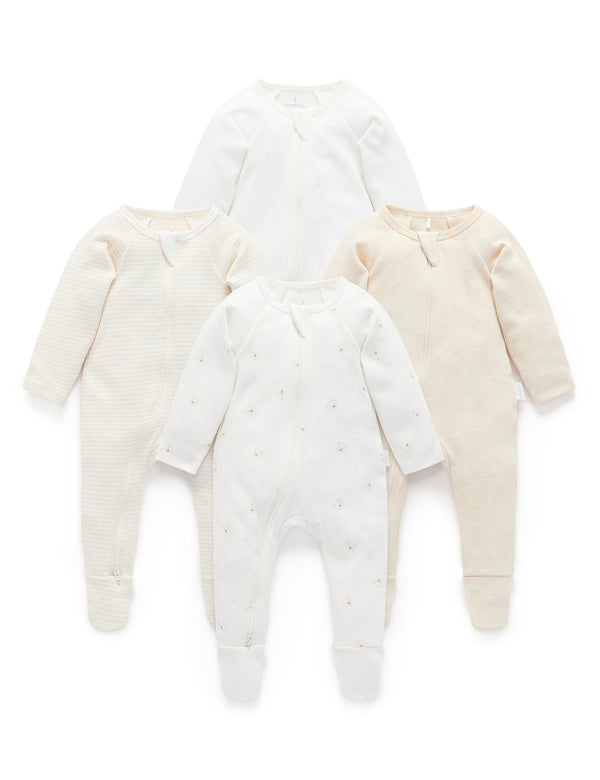
| Growsuits | 4–6 | The daily "uniform." Choose 2-way zips for easier changes. |
| Sleepsuits | 2 | Ideal for night-time; elasticated pouch for fast access. |
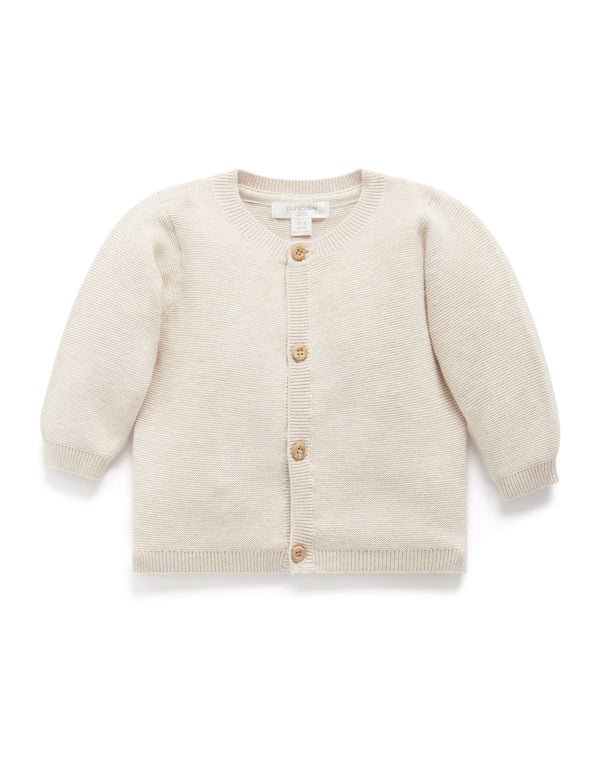
| Cardigans | 4 | Essential for layering to prevent overheating or chills. |
| Muslin Wraps | 2+ | Multi-use for swaddling, burping, and sunshade. |
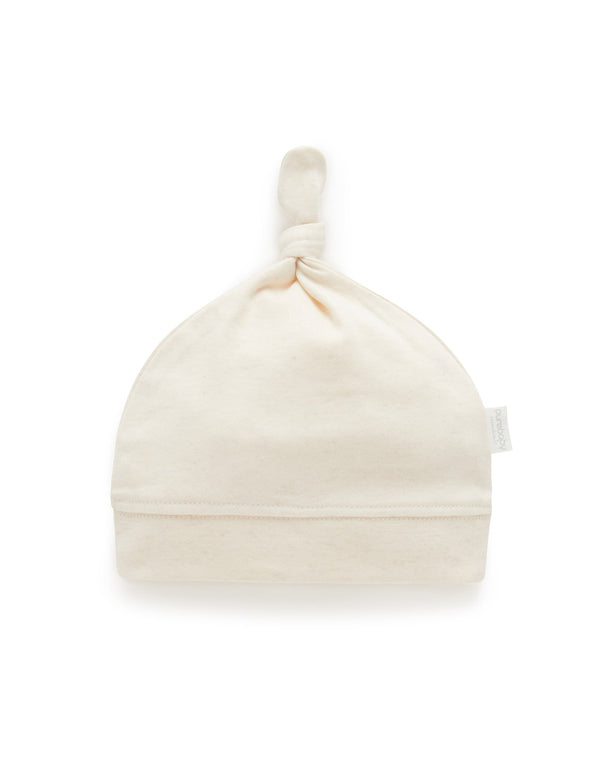
| Hats & Mittens | 2–3 | Prevents heat loss and protects face from scratches. |
| Soft Toys | 2+ | A special keepsake for years to come (+ a backup!) |
Download a printable version of our newborn wardrobe checklist here.
How many clothes does a newborn baby actually need
The ideal number of newborn clothes depends on daily outfit changes and your laundry routine. We recommend quantities based on a 48-hour laundry cycle and 2–3 outfit changes per day.
Here’s the logic:
- Day 1: 2–3 outfit changes (due to inevitable nappy leaks or milk spills)
- Day 2: Another 2–3 changes while Day 1's washing is in progress
- Safety Buffer: 1 spare outfit for emergencies
This is why most essentials fall into the 4–7 item range - it ensures you're never caught short!
The Essential Newborn Wardrobe: Item-by-Item Breakdown
Growsuits: Why 4–6 is the “Golden Number” for New Parents
- Quantity: 4–6 units
- Best For: All-day wear + overnight sleep
- Key Feature: Two-way zips for easy 3:00am nappy changes without fully undressing the baby
- Material: 100% organic cotton for breathability
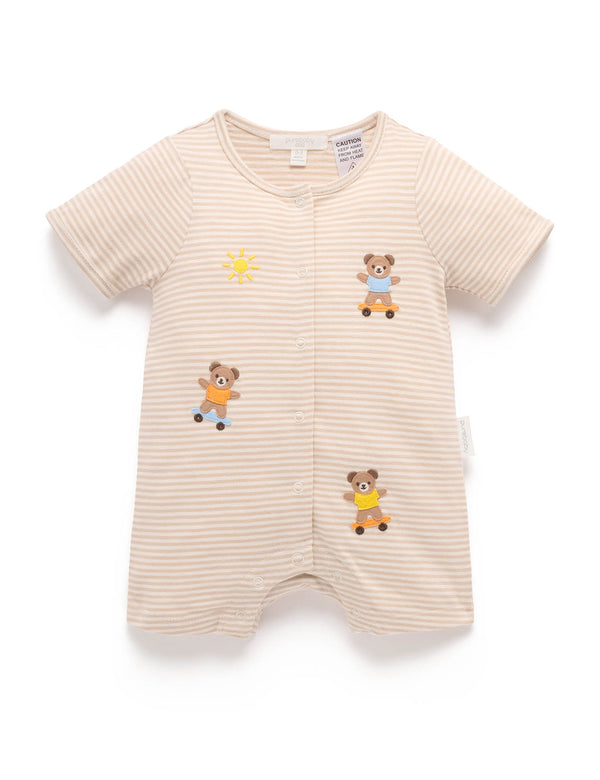
Growsuits (also known as onesies) will act as your baby’s daily uniform for the first few months of their life, simplifying dressing while keeping them warm and comfortable.

Singlets & Bodysuits: The 24/7 Thermal Layer
- Quantity: 5–7 units
- Best For: Layering under all outfits
- Purpose: Keeps chest and core warm
- Material: Soft, breathable 100% organic cotton
Singlets and bodysuits are essential in all seasons and form the foundation of every outfit.
Why Sleepsuits Are Essential for Night-Time Changes
- Quantity: 2 units
- Best For: Overnight wear
- Key Feature: Elasticated bottoms for easy access
- Purpose: Minimise disruption during night changes
Cardigans: The Key to Safe Layering
- Quantity: 4 units
- Best For: Temperature control
- Purpose: Add/remove layers without overheating
- Material: Lightweight organic cotton

Muslin Wraps: The Multi-Use Essential Every Parent Needs
- Quantity: 3+ units
- Best For: Swaddling, burping, pram shade
- Key Benefit: Versatility across daily routines
Hats & Mittens: Small Items That Make a Big Difference
- Quantity: 2–3 sets
- Purpose: Prevent heat loss + protect skin
- When Needed: Especially in cooler weather or outdoors

The Complete Newborn Clothing Checklist (Full List)
Everyday Clothing Essentials
- Growsuits: 4–6
- Bodysuits / Singlets: 5–7
- Sleepsuits: 2
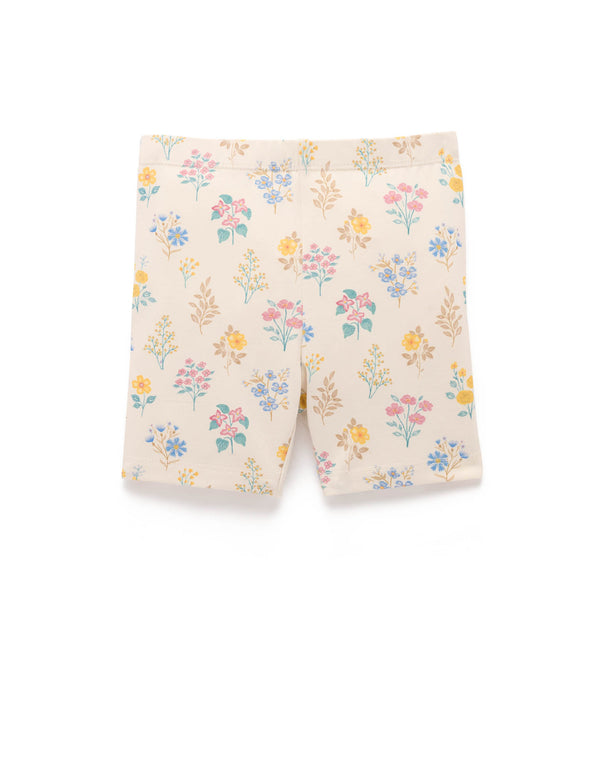
- Leggings / Pants: 2–4
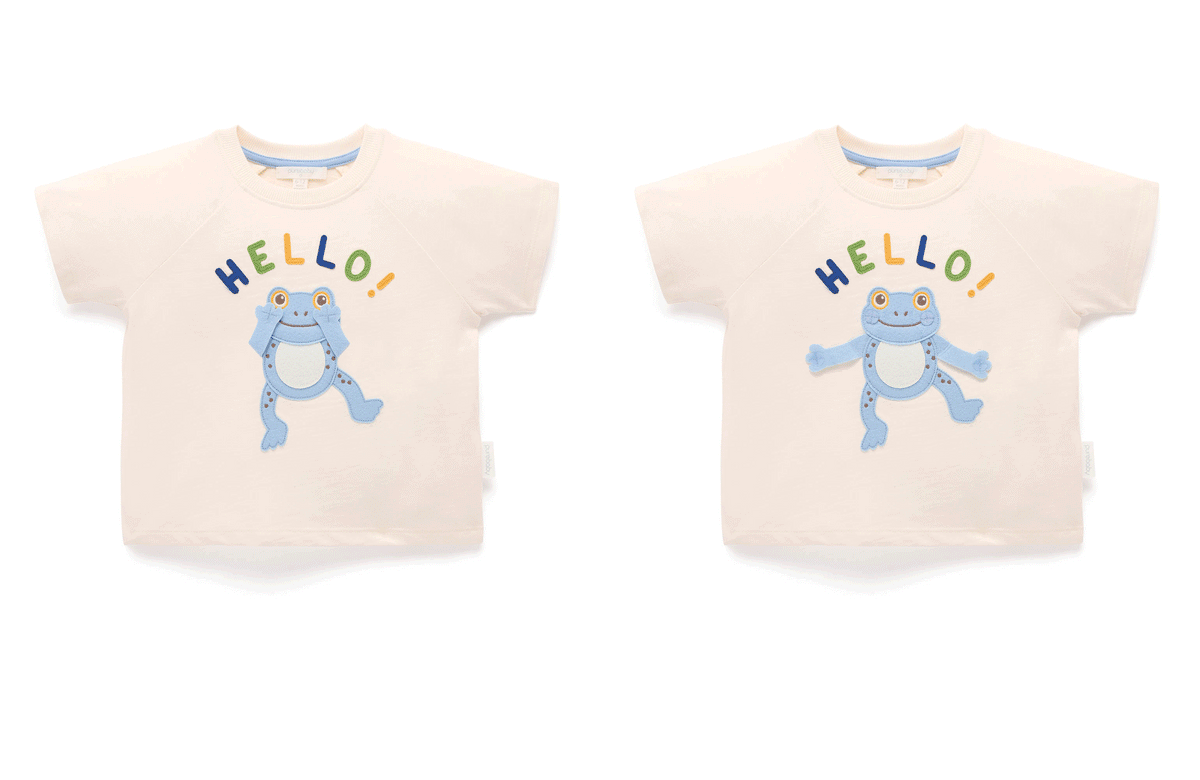
- Tops: 2–4
Layering Pieces
- Cardigans / Jumpers: 2–3
- Jackets (seasonal): 1–2
Accessories & Smaller Essentials
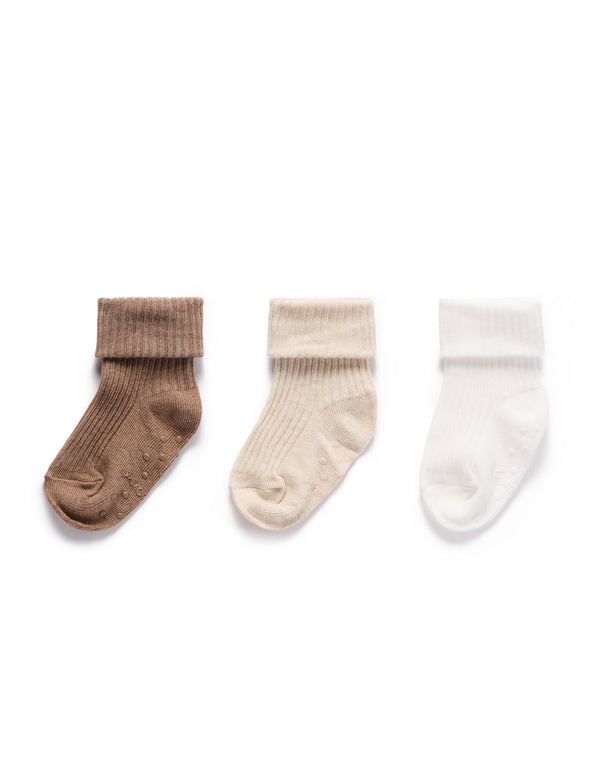
- Socks / Booties: 2–4 pairs
- Hats: 2–3
- Mittens: 2–3
- Bibs: 2-4
Practical Extras Parents Often Forget
- Muslin Wraps & Blankets: 3+
- Swaddles / Sleep Bags: 2–3
- Burp Cloths: 3–5
- Hooded Towels: 3
- Soft Toys / Comforters: 2

What size clothes should I buy for a newborn?
Newborn vs 0–3 months: What’s the difference?
- Newborn size: Fits up to ~4kg (short-term use)
- 0–3 months: Longer wear, better value
- Buy a few newborn pieces (3–5)
- Focus on 0–3 months for most items
How quickly do newborns grow out of clothes?
- Many babies outgrow newborn sizes within 2–4 weeks
- Growth rate varies - always have the next size ready
What’s the safest fit for newborn clothing?
- Not too tight (restricts movement)
- Not too loose (safety risk during sleep)
- Stretch fabrics help with comfort and longevity
What fabrics are best for newborn baby clothes?
Why organic cotton is the best choice for newborns
- Breathable: Helps regulate temperature
- Hypoallergenic: Gentle on sensitive skin
- Chemical-free: Safer for newborns
Are synthetic fabrics safe for newborns?
- Less breathable
- Can trap heat and irritate skin
What fabric is best for different seasons?
- Summer: Lightweight organic cotton
- Winter: Layered cotton + outer warmth
- All seasons: Breathability is key
Seasonal Adjustments: Dressing Your Newborn in Australia
Newborn clothing needs vary significantly depending on the season - especially in Australia’s changing climate.
| Season | Focus | Key Additions |
| Summer (Dec–Feb) | Moisture Wicking: Prevent heat rash with high-breathability fibers | Short-sleeve bodysuits, growsuits, sun hat |
| Winter (Jun–Aug) | Thermal Layering: Trapping heat between layers without bulk | Knitwear, padded jackets, sleeping bags (2.5 TOG) |
| Spring/Autumn | Modularity: Easy-on/Easy-off layers for fluctuating temps | Lightweight cardigans, singlets |
Final Thoughts: Build a Practical, Not Perfect Wardrobe
- Smart quantities
- Easy-to-use designs
- Breathable, safe fabrics