
How to Change a Nappy: A Step-by-Step Guide for New Parents
Learning how to change a nappy is one of those little things that can feel surprisingly big when you're preparing for your first baby. If you've never done it before, you're certainly not alone.
The lovely thing is that with a little practice, nappy changes soon become a familiar part of your day. From gathering your supplies to caring for your newborn's delicate skin, this guide covers everything you need to feel ready before baby arrives.
You can also explore our newborn essentials to help prepare for those first precious weeks.
What You Need for a Nappy Change
A little preparation makes every nappy change easier, especially when your baby is wriggling or you're running on very little sleep.
Keep these essentials within easy reach:
-
Clean nappies: Have a fresh nappy ready before you begin.
-
Baby wipes or cloth wipes: Use gentle wipes, or soft cloth wipes with warm water.
-
A change mat: Choose a clean, comfortable surface for your baby.
-
Barrier cream: Keep some nearby to help protect delicate skin when needed.
-
A spare outfit: Handy for unexpected leaks and messy changes.
-
A nappy bin or disposal bag: Somewhere convenient to put the used nappy.
Purebaby's Quilted Change Mat and organic cotton Cloth Wipes 10 Pack are thoughtful additions to your changing space. Explore our baby change mats and changing essentials.
For more ideas on organising your space, visit our baby change table checklist.
How to Change a Nappy, Step by Step
To change a nappy, gently remove the soiled nappy, clean your baby's skin from front to back, allow the area to dry, then fasten a fresh nappy comfortably around their waist.
Here's how to do it in 10 simple steps:
-
Wash your hands and gather your supplies. Place everything you need within reach before laying your baby down.
-
Lay your baby on a safe, flat surface. Keep one hand on your baby if you're using a raised change table.
-
Undo your baby's clothing. Open their growsuit or bodysuit to give yourself easy access to the nappy.
-
Open the dirty nappy. If there's poo, use the clean front section of the nappy to gently remove most of the mess.
-
Clean your baby's skin. Use a wipe or soft cloth with warm water, always wiping from front to back and gently cleaning between skin folds.
-
Lift your baby's bottom gently. Support their body as you remove the used nappy and slide it away.
-
Let their skin dry. Gently pat dry and apply barrier cream if needed.
-
Slide a clean nappy underneath. Bring the front up and fasten it snugly, leaving enough room for about two fingers at the waist.
-
Redress your baby. Make sure their clothing feels comfortable and isn't caught inside the nappy.
-
Dispose of the dirty nappy and wash your hands. Place your baby somewhere safe before tidying up.
Important safety reminder: Never leave your baby alone on a raised changing surface, even for a second. If you need to reach for something, take your baby with you.

Changing a Newborn's Nappy: What's Different
Newborn nappy changing follows the same basic steps, with a few extra things to keep in mind during those first days.
Changing a Nappy Around the Umbilical Cord
Until your baby's umbilical cord stump falls off, keep the area clean and dry.
When fastening their nappy, fold the top edge down so it sits below the stump. This helps prevent rubbing and allows air to circulate. Some newborn nappies also have a little cut-out designed for this purpose.
Avoid pulling at the stump, even if it looks ready to come away. It will usually fall off on its own. If you notice spreading redness, swelling, discharge or an unpleasant smell, contact your midwife or GP.
Changing Baby Boys and Baby Girls
For baby boys: Gently clean around the penis and surrounding skin without forcing the foreskin back. Before fastening the fresh nappy, point the penis downwards to help prevent leaks around the waistband.
For baby girls: Always wipe from front to back to help keep poo away from the urinary opening. Gently clean any visible mess between the outer skin folds without scrubbing.
Your Baby's First Poos
Your baby's first poo is called meconium. It's usually very dark, thick and sticky, which can make those first changes a little more interesting!
Over the following days, their poo gradually becomes softer and changes colour as feeding becomes established. For more guidance on those early feeds, read our new parents' guide to baby feeding.

How Often Should You Change a Newborn's Nappy?
As a guide, check your newborn's nappy every two to three hours, around feeds, and change it promptly whenever it's wet or dirty.
Frequent changes help keep your baby's skin clean and dry, reducing the chance of irritation and nappy rash.
In the early weeks, it's helpful to check before or after feeds. You'll soon begin to recognise your baby's own rhythm.
Should you wake a sleeping baby for a nappy change?
You generally don't need to wake a comfortably sleeping baby just for a routine change if their nappy is only lightly wet. However, change a pooey nappy promptly, and follow your midwife's advice if your baby has nappy rash or needs special care.
For night changes, keep the lights low, your supplies close and your movements gentle. A calm, quiet change can help everyone settle back to sleep.
For further guidance, see the Raising Children Network's newborn routine advice.
How Many Nappies a Day Does a Newborn Use?
Most newborns need around 8 to 12 nappy changes a day once feeding is established, although the number varies between babies and is often lower during the first few days.
As your baby grows, their changing routine may become a little less frequent.
| Baby's age | Approximate nappy changes per day |
|---|---|
| Newborn, after the first few days | 8–12 |
| 1–3 months | 6–10 |
| 3–6 months | 5–8 |
These are practical planning estimates, not fixed targets. Always change a soiled nappy promptly and let your baby's needs guide you.
How Many Wet Nappies Should a Newborn Have?
Your baby's wet nappies can offer a helpful clue about how well they're feeding.
According to the Australian Breastfeeding Association, babies receiving enough breastmilk generally have at least one wet nappy on day one, two on day two, three on day three and four on day four.
From day five, a fully breastfed baby should have at least five heavy wet disposable nappies or six very wet cloth nappies in 24 hours. Their wee should be pale or clear.
If your baby has fewer wet nappies than expected, dark or strong-smelling wee, or seems unusually sleepy or unwell, contact your midwife, GP or maternal and child health nurse promptly. You can also call Healthdirect on 1800 022 222 for advice.
Read the Australian Breastfeeding Association's guidance on feeds and nappies, or learn more about maternal and child health nurses.

How Many Newborn Nappies Do You Need to Buy?
If you're preparing before the birth, start with enough newborn nappies for approximately one to two weeks rather than buying a large supply in one size.
Allowing for around 8 to 12 changes a day, roughly 60 to 85 nappies covers a typical week, or around 110 to 170 for two weeks.
Your baby may use fewer nappies in the first few days, and some babies grow out of newborn sizes surprisingly quickly. Keeping your initial supply manageable gives you flexibility once you know which size fits best.
Both cloth and disposable nappies can work well, depending on your family's preferences. If you're considering cloth, explore our guide to using reusable cloth nappies.
Getting your hospital bag ready? Our hospital bag checklist can help you plan what to pack.
Newborn Clothes That Make Nappy Changes Easier
When you're changing nappies several times a day, the right newborn clothing can make a lovely difference.
Look for soft fabrics, easy openings and designs that let you access your baby's nappy without needing to completely undress them.
Two-Way Zip Growsuits
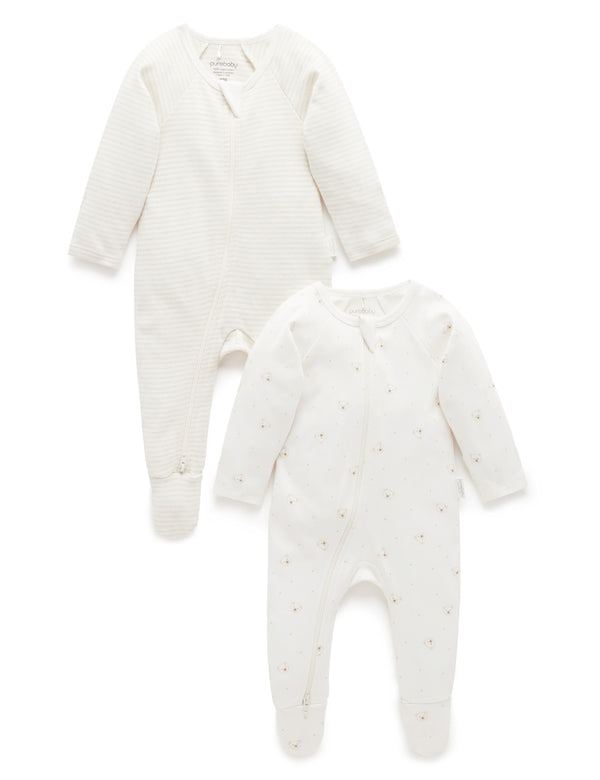
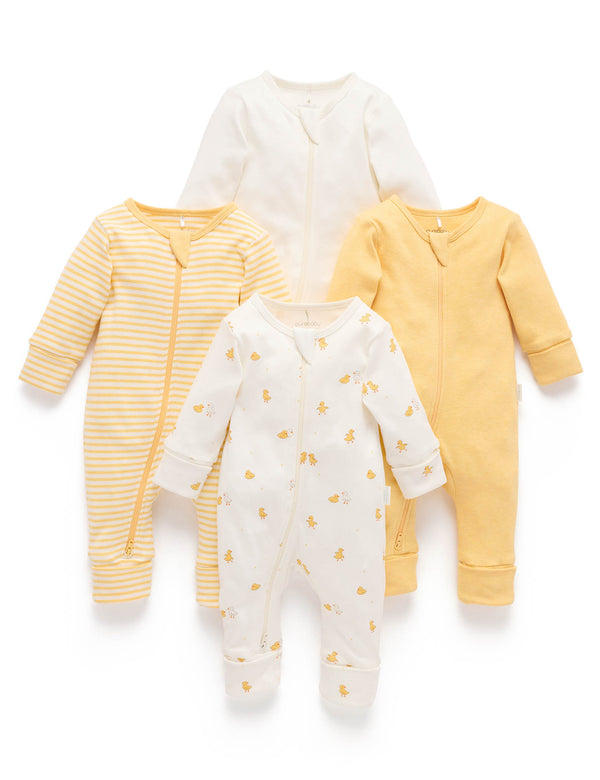
A two-way zip growsuit is especially handy for those middle-of-the-night changes.
You can unzip from the bottom, change your baby's nappy and zip them back up while keeping their upper body comfortably covered. Many Purebaby zip growsuits also feature fold-over mitt cuffs for added practicality in the early weeks.
Explore our baby growsuits to find easy-to-wear options for your little one.
Bodysuits with Snaps and Easy Necks
Bodysuits with snap fastenings at the base make nappy access quick and simple.
Envelope-style necklines are another thoughtful feature. If your baby has a particularly messy nappy, these openings can allow you to pull the bodysuit down over their body rather than lifting it over their head.
Soft, breathable organic cotton is a lovely choice for everyday comfort, particularly when you're mindful of keeping your baby's skin comfortable.
Discover Purebaby's baby bodysuits.

How to Navigate Nappy Changes on the Go
Changing a nappy away from home becomes much easier with a little preparation.
Keep a small changing kit in your nappy bag with a portable change mat, a few clean nappies, wipes or cloth wipes, disposal bags and a spare outfit.
Before heading out, check that everything is topped up. That way, whether you're visiting family or enjoying your first little outings together, you'll have the essentials close by.
Our guide to what to put in a nappy bag has more helpful ideas.
Make Changing a Nappy Easier with the Right Newborn Clothes and Supplies
Learning how to change a nappy is one of the many new experiences that comes with welcoming a baby. It might feel unfamiliar at first, but each change is another chance to become more comfortable with caring for your little one.
Having clean nappies, gentle wipes, a comfortable changing space and easy-to-change clothing ready from day one can make those early weeks feel a little simpler.
As you prepare for your baby's arrival, explore our newborn baby clothing checklist and discover Purebaby's newborn essentials, thoughtfully designed for the everyday moments you'll share.