
How Long Are Babies in Newborn Clothes?
Preparing your little one’s first wardrobe is such a special part of getting ready for their arrival. Between tiny growsuits, bodysuits and sweet newborn sets, it can also be tricky to know how much you actually need.
So, how long are babies in newborn clothes? There isn’t one answer that suits every baby. Your little one’s birth weight, length and growth rate can all influence how long those tiny sizes fit. Some babies may only wear newborn clothes for a couple of weeks, while smaller babies may enjoy them for longer. Rather than filling the wardrobe with one size, choosing a thoughtful mix of newborn and larger sizes can help you feel prepared without buying more than you need.
Table of contents
- How long do babies typically wear newborn clothes?
- What affects how quickly newborn clothes are outgrown?
- Newborn clothes sizing explained
- How many newborn clothes do you actually need?
- Is it worth buying newborn baby clothes?
- Choosing newborn clothes for different seasons
- Tips for buying newborn baby girl clothes and essentials
- Frequently asked questions
How Long Do Babies Typically Wear Newborn Clothes?
As a general guide, many babies wear newborn clothes during their first 0 to 4 weeks, but this can vary considerably depending on their size at birth and how quickly they grow.
A practical way to plan is to think about birth weight rather than age alone:
| Approximate birth weight | What to consider |
|---|---|
| Under 3kg | Smaller newborn or premie clothing may provide a better fit initially, and newborn sizes may be useful for longer. |
| 3 to 4kg | Newborn sizing is likely to be useful during the early weeks, although every baby grows differently. |
| Over 4kg | Your baby may have less time in newborn sizing and could be ready to move into the next size sooner. |
These are guides rather than rules. In Australia, 92% of liveborn babies in 2023 had a birth weight between 2.5kg and 4.499kg, highlighting just how much variation there can be even within the normal birth-weight range.
For this reason, it’s helpful to have a small selection of size 0000 baby clothes ready, alongside the next size up.

What Affects How Quickly Newborn Clothes Are Outgrown?
Every little one grows at their own pace, so two babies born on the same day may move through clothing sizes very differently.
- Birth weight and length: A longer or heavier baby may have less room in newborn clothes from the beginning, while a smaller baby may wear them for longer.
- Growth: Babies can change quickly during their early months. Rather than relying only on the age printed on a label, pay attention to how each garment actually fits your baby.
- Your baby’s proportions: Babies come in all shapes and sizes. A growsuit might become short in the legs while still fitting comfortably around the body, for example.
- Sizing differences: Baby clothing sizes aren't always identical across different brands. Always check the individual brand’s size guide rather than assuming a "newborn" or "0-3 months" label will fit the same way everywhere.
- Season: The time of year your baby arrives can also influence how many pieces they use before moving up a size. A winter baby may need more layers in regular rotation than a baby born during warmer weather.
Newborn Clothes Sizing Explained
One of the more confusing parts of shopping for baby newborn clothes is understanding what "newborn" actually means. Sizing names can differ between brands, so it’s best to use measurements and weight recommendations where available rather than relying on age alone.
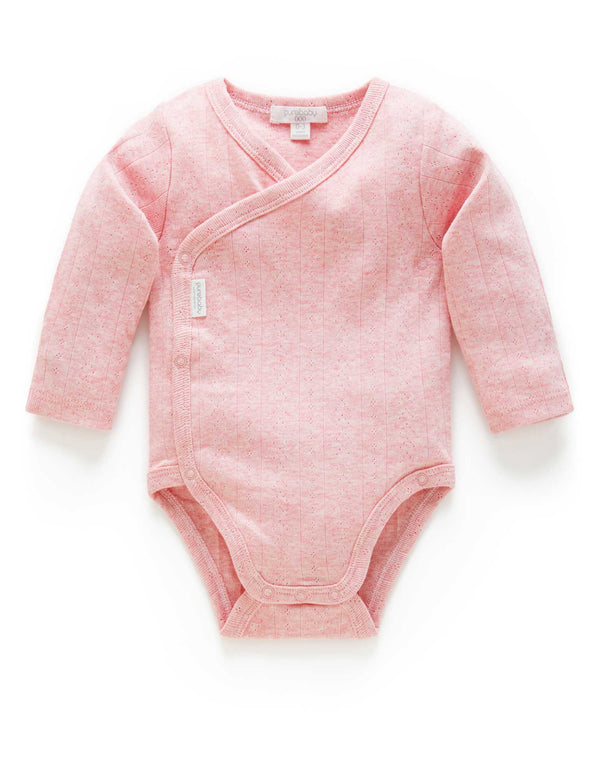
At Purebaby, you can shop baby clothing by size, making it easier to prepare a small selection across your little one’s early stages. Starting with size 0000 baby clothes and having some size 000 baby clothes ready for the next stage can help take the guesswork out of those first wardrobe changes.
When checking whether something still fits, look for clothing that sits comfortably without pulling, digging in or restricting your little one’s movement. If a growsuit is becoming tight through the body or your baby’s toes are pressing against the feet, it may be time to size up.
How Many Newborn Clothes Do You Actually Need?
It’s very easy to fall in love with tiny outfits, but newborns can move through their first size surprisingly quickly. Starting with a practical capsule wardrobe means you can add more once you know your baby’s size and what you use most often. As a starting point, consider:
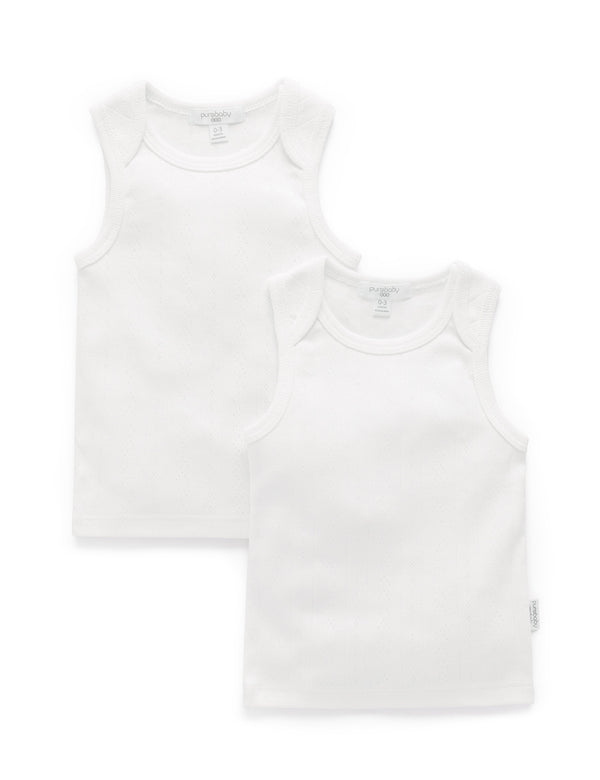
- 4 to 6 singlets for everyday layering
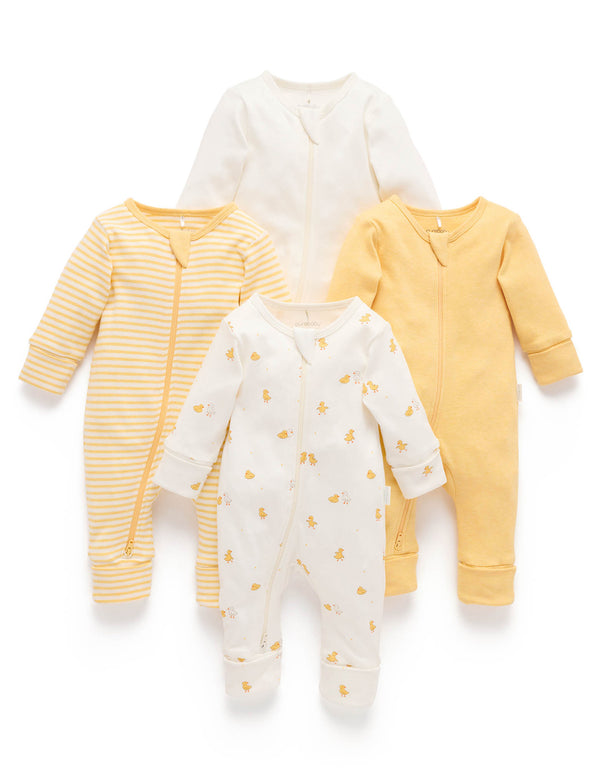
- 4 to 6 growsuits or sleepsuits for comfortable day and night dressing
- 2 tops or bodysuits
- 2 pairs of pants or leggings
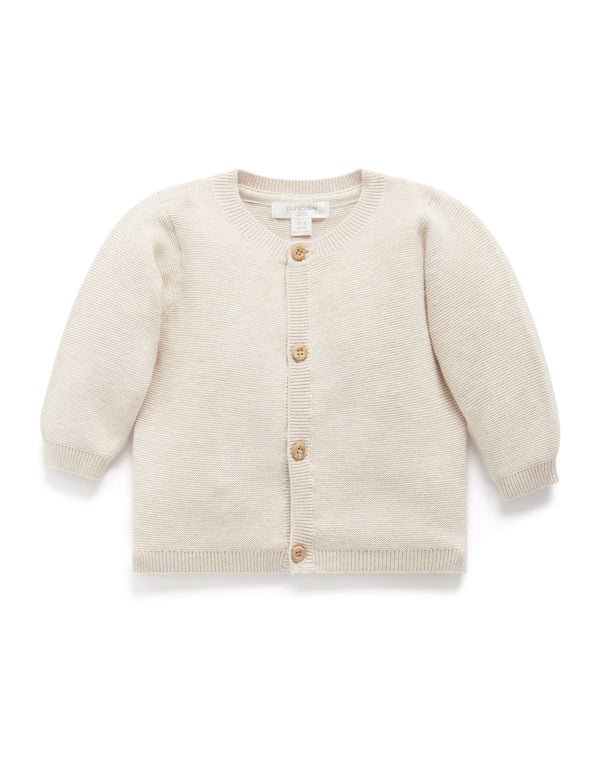
- A few layering pieces, such as cardigans, depending on the season
- A small number of special outfits for outings, visitors and those first family photos
Having enough pieces to manage feeds, spills, nappy changes and washing is useful, but there’s no need to fill every drawer before your baby arrives.
Purebaby's existing newborn clothing checklist recommends a similar approach, focusing first on staple pieces that will be used every day
Is It Worth Buying Newborn Baby Clothes?
Yes, having some newborn clothes ready can be worthwhile. The key is buying thoughtfully rather than buying everything in the smallest size.
Clothing that fits comfortably can make dressing and changing easier during those early days. Buying a handful of practical newborn essentials, then balancing these with pieces in the next size, gives you flexibility if your baby arrives smaller or larger than expected.
Consider choosing versatile pieces that can be mixed, matched and layered. Quality pieces can also be kept for another little one or passed along to family and friends once they are outgrown.
If you're building a baby registry, consider adding clothing in several sizes rather than asking for everything in newborn sizing. Gift buyers can do the same. A beautiful piece in a larger size can be just as thoughtful and may be enjoyed for longer.
Choosing Newborn Clothes for Different Seasons
Where and when your baby is born can make a big difference to their first wardrobe. Australia’s climate varies considerably, so consider your local weather and your home environment rather than following a one-size-fits-all checklist.
For warmer months, lightweight pieces that can be easily changed and layered are practical. You may find short sleeve bodysuits and lighter growsuits become everyday favourites. For cooler months, newborn winter clothes that work together in layers give you more flexibility as temperatures change throughout the day. A singlet or bodysuit can form the base, followed by a growsuit, with a cardigan or other appropriate outer layer when needed.
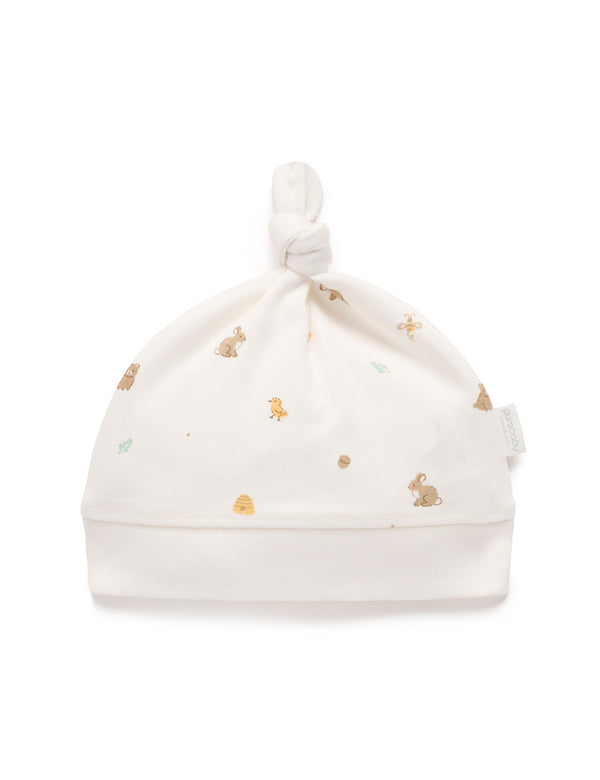
When dressing your baby for sleep, however, warmth needs to be balanced with safer sleep guidance. Red Nose recommends dressing babies appropriately for the room temperature and avoiding overheating. Babies should sleep with their head and face uncovered, so hats and beanies should be removed for sleep.

Tips for Buying Newborn Baby Girl Clothes and Essentials
Shopping for newborn baby girl clothes can be one of the loveliest parts of preparing for a new arrival, especially when every tiny outfit feels impossible to resist. A little planning can help you build a wardrobe that’s beautiful as well as useful.
Choose everyday basics first, then add a few special pieces you love. Growsuits, bodysuits, singlets and easy layering pieces tend to earn their place in the wardrobe because they can be worn again and again.
If you’re buying a gift, check what the parents already have and consider choosing a larger size if their newborn wardrobe is well stocked. Looking ahead to the season is helpful too. A warm piece bought several sizes ahead may not suit the weather by the time baby grows into it.
Above all, remember that there’s no need to have every size and outfit ready before your little one arrives. Start with a thoughtful collection of soft, practical essentials and add to it as you discover what works best for your baby.
Explore Purebaby’s size 0000 baby clothes for thoughtfully designed pieces to help you prepare for those very first days.