
Baby Bibs: How Many Do You Need
Baby bibs seem like one of the simpler things to add to your newborn checklist. Then the spit-up starts. Or teething arrives and somehow the bib you put on ten minutes ago is already soaked.
So, how many do you actually need?
The answer changes as your little one grows. A newborn may only need a small rotation for milk dribbles and spit-up, while a teething baby can work through several bibs in a single day. Once solids begin, you’ll want another type of bib altogether.
This guide breaks down which bibs work best at each stage and how many to keep on hand, so you can stock up without overthinking it. Explore Purebaby’s baby bibs for soft, practical options for everyday spills, dribbles and mealtimes.

The Different Types of Baby Bibs (and When to Use Each)
Not every bib is designed for the same job. The right choice depends on whether you're catching drool, milk or most of tonight's dinner.
Drool bibs (bandana style)
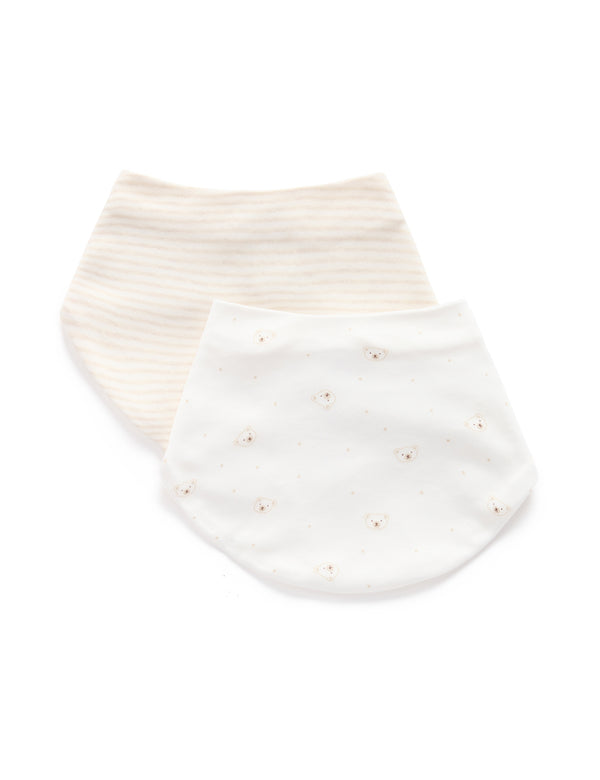
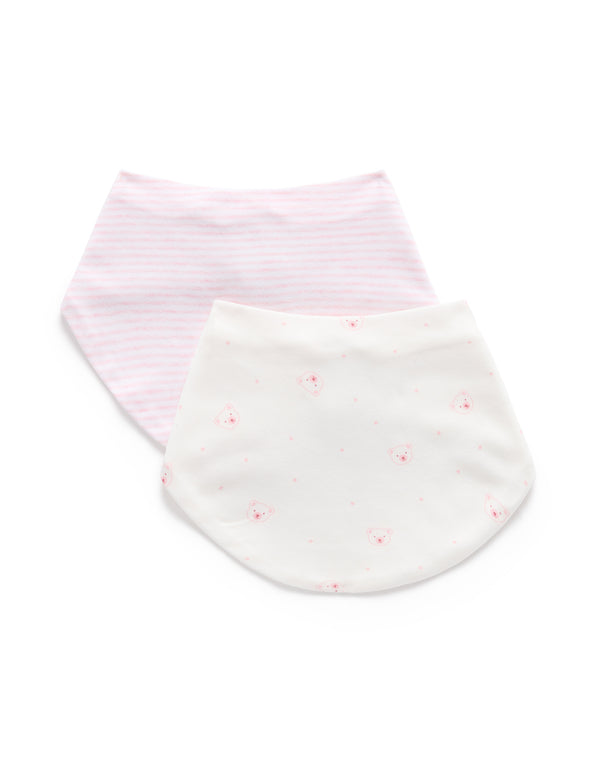
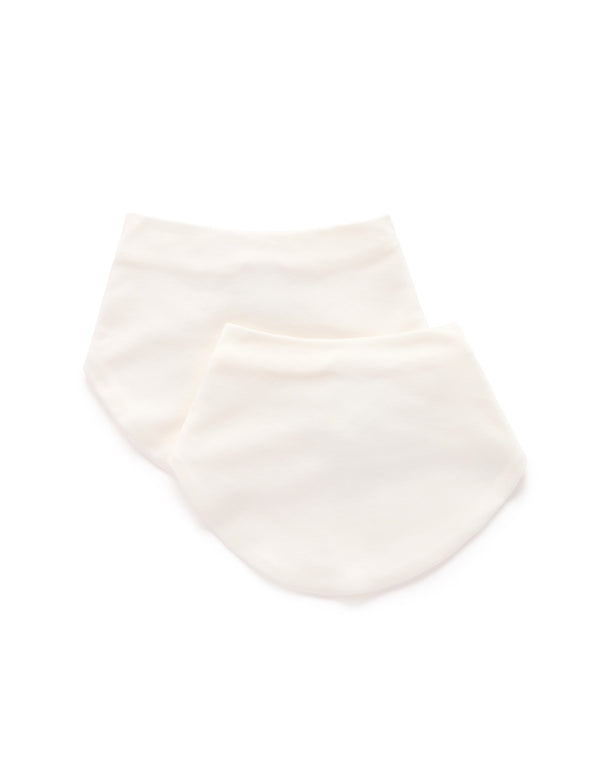
Drool bibs are designed for everyday dribbles, particularly once teething begins. Their smaller bandana shape sits neatly around the neck and helps absorb moisture before it reaches your baby's clothes.
Because a drool bib sits close to your little one's skin, look for a soft, absorbent and breathable fabric. Organic cotton is a gentle choice for delicate skin and can be easily washed as part of your everyday laundry routine. For babies who are wriggling and exploring, snap closures are also a practical choice over ties.
If your baby has suddenly started dribbling more than usual, teething could be on its way. Our guide to everything you need to know about teething covers common signs and ways to help keep your little one comfortable.
Feeding bibs
Feeding bibs have a different job. Instead of catching dribble throughout the day, they provide more coverage to help protect clothing during meals. Most families will start reaching for feeding bibs at around 4 to 6 months, depending on when their baby starts solids.
Look for a feeding bib that offers good coverage, stays comfortably in place while your baby squirms and is easy to clean. Machine-washable or easy-wipe options can make life simpler when there are several meals and snacks in a day.
Preparing for those first tastes? Read our new parent's guide to baby feeding for more practical tips.
Waterproof and silicone bibs
Waterproof and silicone bibs can be useful once babies become enthusiastic self-feeders. They are generally easy to wipe clean, and some designs include a pocket to catch dropped food.
These styles are typically used from around 6 months onwards when babies are eating solids. As self-feeding picks up, the extra coverage can make post-meal clean-ups easier.

How Many Bibs You Need at Each Stage
If you're wondering how many bibs do you need for baby, here's the practical answer.
Newborn stage (0–3 months): 6–8 bibs
Not every newborn needs to wear a bib from day one. Some babies rarely spit up, while others seem to leave a little milk behind after almost every feed. Starting with 6 to 8 soft cotton bibs gives you enough to handle regular milk dribbles and spit-up without filling a drawer with bibs you may not use.
Your laundry routine matters too. If you wash every day, six may be plenty. If you tend to wash every two or three days, keeping eight on hand gives you more breathing room.
It's worth having a few ready before your baby arrives, even if you don't use them straight away. You can also add bibs to your newborn baby clothing checklist alongside your other everyday essentials.
Teething stage (3–12 months): 10–14 bibs
This is when your bib collection starts earning its keep. Teething drool doesn't arrive neatly at mealtimes. It can continue throughout the day, which means one bib may quickly become two, three or more.
For the teething stage, keep 10 to 14 drool bibs in rotation. This gives you enough to change your baby's bib whenever it becomes damp while still having clean ones ready between washes.
Soft, absorbent and fast-drying fabric is especially useful during this stage. Leaving a wet bib sitting against the neck can irritate delicate skin, so swap it for a dry one before it becomes soaked through.
For more ways to support your little one through this stage, explore our guide to baby teething toys.
Solids stage (6+ months): 4–6 feeding bibs
Once solids start, keep your drool bib stash and add 4 to 6 larger feeding bibs. Why both? They do different jobs. Your baby may still be teething and drooling between meals, while a larger feeding bib provides more coverage when food comes out. And plenty of it will come out.
When self-feeding starts at around 9 to 12 months, you may also find a smock-style or sleeved bib useful for messier meals and foods that have an impressive ability to travel from highchair to hair.

What to Look For in a Baby Bib
With so many styles available, focus on the features that will make everyday use easier.
- Soft fabric: Bibs regularly sit against your baby's neck and face, so choose materials that feel gentle against delicate skin.
- Absorbency: A drool bib needs to absorb moisture rather than simply move it onto your baby's clothing.
- The right coverage: Smaller bibs work well for dribble, while feeding bibs should provide more coverage across the chest.
- Secure, practical fastenings: Look for a bib that stays comfortably in place while your little one wriggles. Snap closures are a practical option for active babies.
- Easy care: Bibs get dirty. Often. Choosing styles that are easy to wash and having enough in rotation makes everyday clean-ups much simpler.
The best baby bib isn't necessarily the biggest or most complicated. It's the one suited to the stage your baby is in and the mess you're trying to catch.
How to Prevent Drool Rash
During teething, constant dribbling can leave the skin around your baby's mouth, chin and neck damp. That repeated moisture can irritate the skin and contribute to what's commonly called drool rash. A few simple habits can help:
- Change wet bibs frequently. Don't wait until a bib is completely soaked. Replace it once it becomes damp so moisture isn't sitting against your baby's neck for long periods.
- Pat the skin dry. When removing a wet bib or wiping away drool, gently pat rather than rub the skin.
- Keep the area moisturised. A gentle moisturiser suitable for your baby's skin can help care for dry or irritated areas.
If a rash is persistent, worsening or you're concerned about your baby's skin, speak with your GP or child health professional.

Shop the Range of Purebaby Bibs
So, are baby bibs necessary? For many families, they quickly become one of those small essentials that make everyday life a little easier. Start with 6 to 8 bibs for the newborn stage, increase your rotation to 10 to 14 during teething, then add 4 to 6 larger feeding bibs once solids begin.
The exact number you use will depend on your baby and how often you do laundry, but those quantities give you a practical place to start. Purebaby's organic cotton bibs are designed to feel soft against newborn skin while providing the absorbency needed for everyday dribbles and heavier drooling.
Shop Purebaby baby bibs and find practical styles for your little one's next stage.