
What Are the Best Dummies for Newborns?
Welcoming a newborn comes with so many little decisions, and choosing the best dummy is often one of them. With so many shapes, materials and opinions out there, it’s completely normal to feel unsure.
The good news is that finding the right option doesn’t need to be complicated. With a focus on safety, comfort and thoughtful design, you can choose a dummy that gently supports your baby’s needs.
In this guide, we’ll walk you through everything you need to know, from when to introduce a dummy to how to sterilise it safely, so you can make the best choice for your little one.
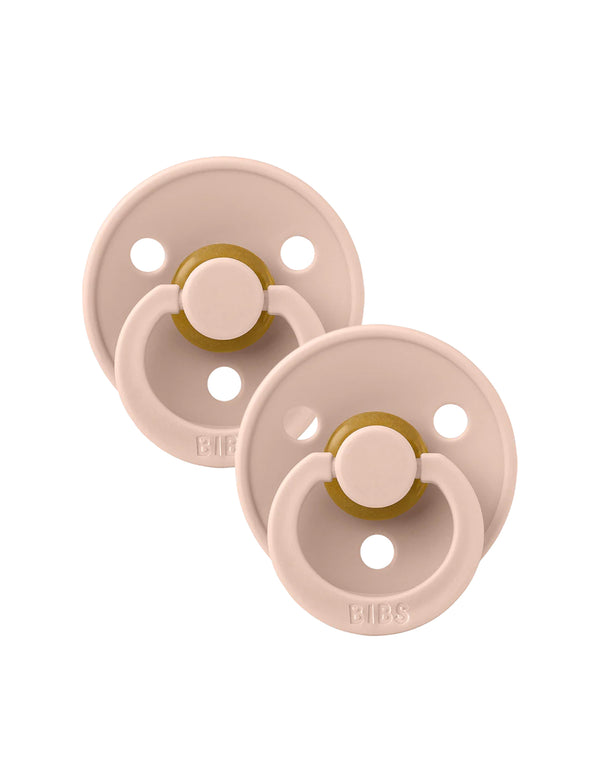
Explore our range of thoughtfully designed baby dummies for newborns and beyond.
What Makes the Best Dummy for a Newborn?
When it comes to choosing the best dummies for newborns, safety and comfort should always come first.
Here’s what to look for:
- BPA-free materials: Always choose baby dummies made without harmful chemicals
- Soft, flexible teat: Gentle on delicate gums and developing mouths
- Lightweight design: Helps the dummy stay in place comfortably
- Shield with ventilation holes: Allows airflow and helps prevent skin irritation
- Appropriate size: Designed specifically for newborns (0–6 months)
- Compliance with Australian standards: Ensures the dummy meets strict safety requirements
A well-designed dummy should feel like a natural extension of your baby’s soothing routine, not something that causes discomfort or fuss.

Can Newborns Have Dummies?
One of the most common questions parents ask is, can newborns have dummies?
In many cases, yes, newborns can use a dummy from birth. Dummies can help soothe babies, support settling, and provide comfort between feeds.
If you are breastfeeding, some health professionals suggest waiting until feeding is well established, usually around a few weeks. This helps ensure your baby has developed a strong latch before introducing a dummy.
Every baby is different, so it’s always about finding what works best for your little one and your feeding journey.
When to Give a Newborn a Dummy
Understanding when to give a newborn a dummy often comes down to recognising your baby’s cues.
A dummy may be helpful when your baby:
- Is unsettled after feeding but not hungry
- Needs help falling asleep
- Is seeking comfort or sucking for soothing rather than feeding
Some parents choose to introduce a dummy from the early days, while others prefer to wait. There’s no single right approach, just what feels right for your baby and your routine.
If your baby is feeding well and gaining weight, introducing a dummy can become a gentle tool for comfort and sleep support.

Types of Dummies for Newborns
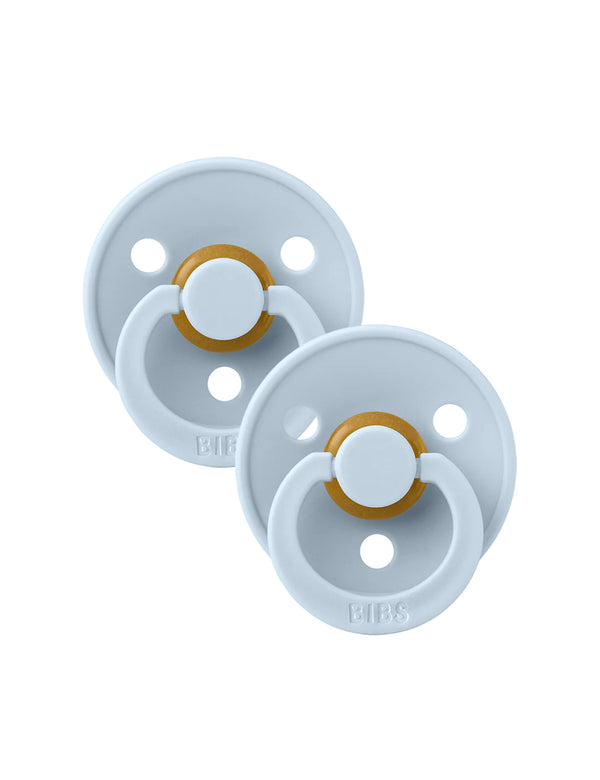
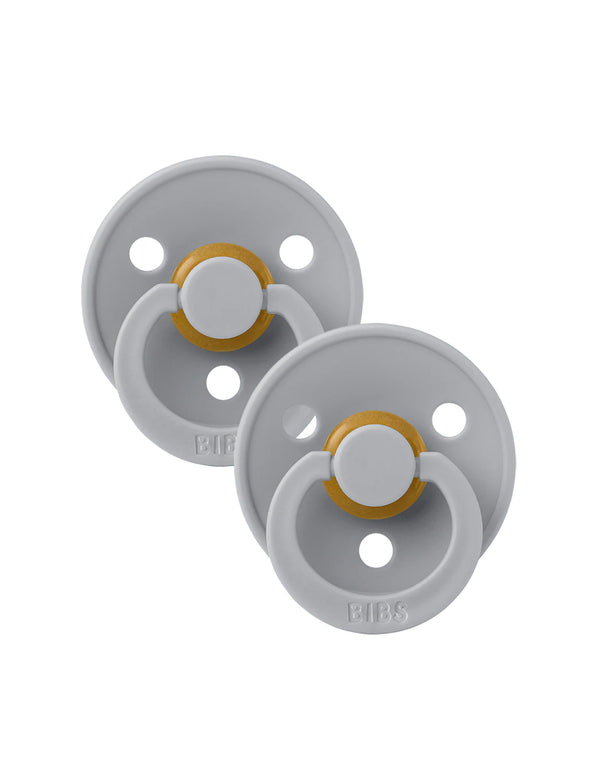
There are a few different types of dummies for newborns, and understanding the differences can make choosing easier.
| Feature | Options | What to Know |
| Teat Shape | Orthodontic | Designed to support natural oral development |
| Round (Cherry) | Mimics the shape of a nipple, often preferred by some babies | |
| Material | Silicone | Durable, easy to clean, and holds its shape |
| Natural rubber | Softer and more flexible, often feels more natural | |
| Size | 0–6 months | Specifically designed for newborn mouths and safety needs |
Some babies will show a clear preference, so it can be helpful to try one or two options and see what they respond to best.
How to Sterilise Dummies Safely
Keeping your baby’s dummy clean is essential, especially in those early months.
Here’s how to sterilise dummies safely:
Before first use:
- Place the dummy in boiling water for 5 minutes
- Allow it to cool completely
- Squeeze out any excess water
Daily cleaning routine:
- Wash with warm, soapy water
- Rinse thoroughly
- Air dry on a clean surface
For deeper sterilising:
- Use a steam steriliser
- Or boil regularly, especially for newborns
It’s recommended to sterilise dummies frequently in the newborn stage, as their immune systems are still developing.
Store dummies in a clean, dry container when not in use to keep them hygienic.

How Often Should You Replace Baby Dummies?
Even the best baby dummies won’t last forever.
As a general guide, dummies should be replaced every 4–6 weeks, or sooner if you notice any signs of wear.
Look out for:
- Cracks or tears in the teat
- Sticky or swollen material
- Changes in shape
- Thinning or weak spots
Regularly checking your baby’s dummy helps ensure it stays safe and comfortable to use.
Supporting Safe and Gentle Soothing
Dummies can be a beautiful tool for soothing your baby, helping them settle, sleep and feel comforted.
They may also support:
- Self-soothing between feeds
- Calmer sleep routines
- Reduced fussiness during transitions
Like all baby essentials, balance is key. Over time, you may choose to gently reduce dummy use as your baby grows and develops other ways to self-soothe.
Choosing thoughtfully designed baby dummies made with soft, safe materials can make all the difference in creating a calm and comforting experience.
Shop Baby Dummies at Purebaby
Finding the best dummies for newborns comes down to choosing options that prioritise safety, comfort and gentle design.
At Purebaby, our range of baby dummies is thoughtfully created to support your little one through those early months, using baby-safe materials and considered shapes.
Explore our collection to find a style that feels just right for your baby.